
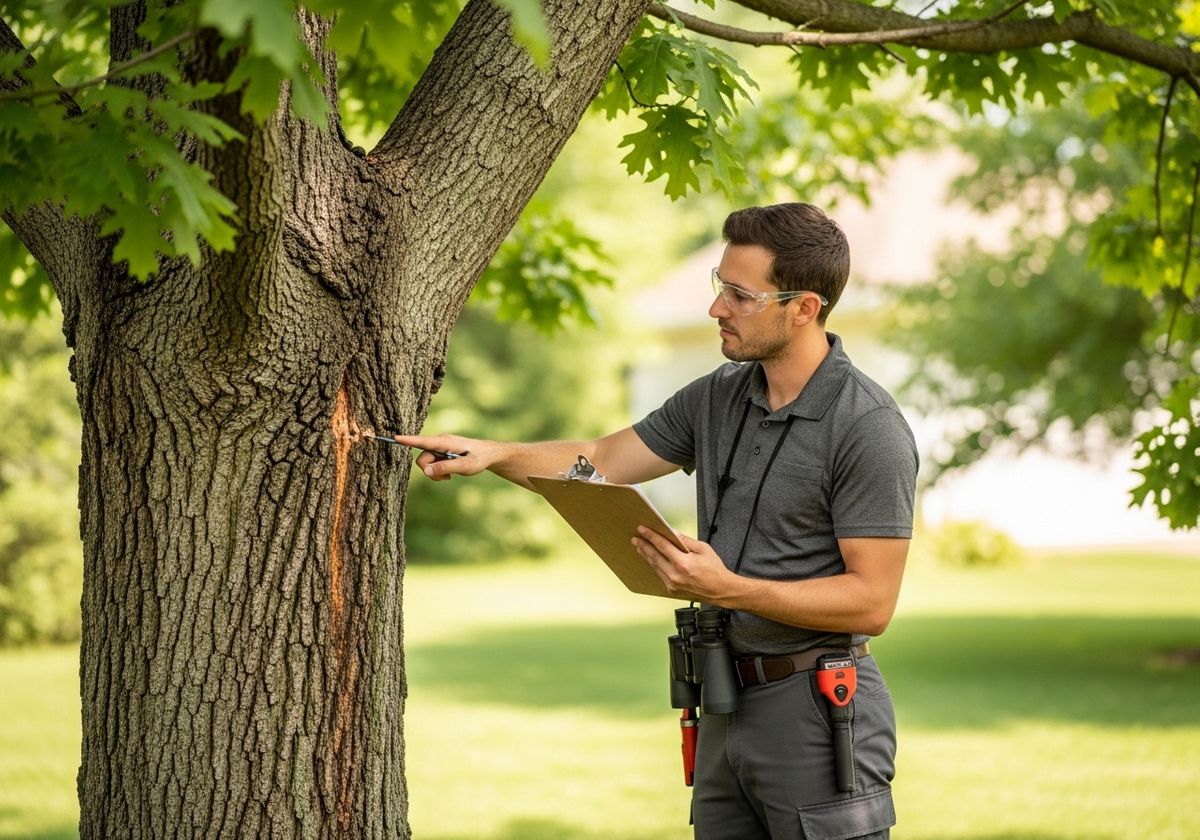
Maintaining healthy trees requires regular inspection and care. A thorough tree health inspection can identify potential problems early, preventing costly damage and ensuring the longevity of your trees. Here's a comprehensive checklist to guide you through the process.
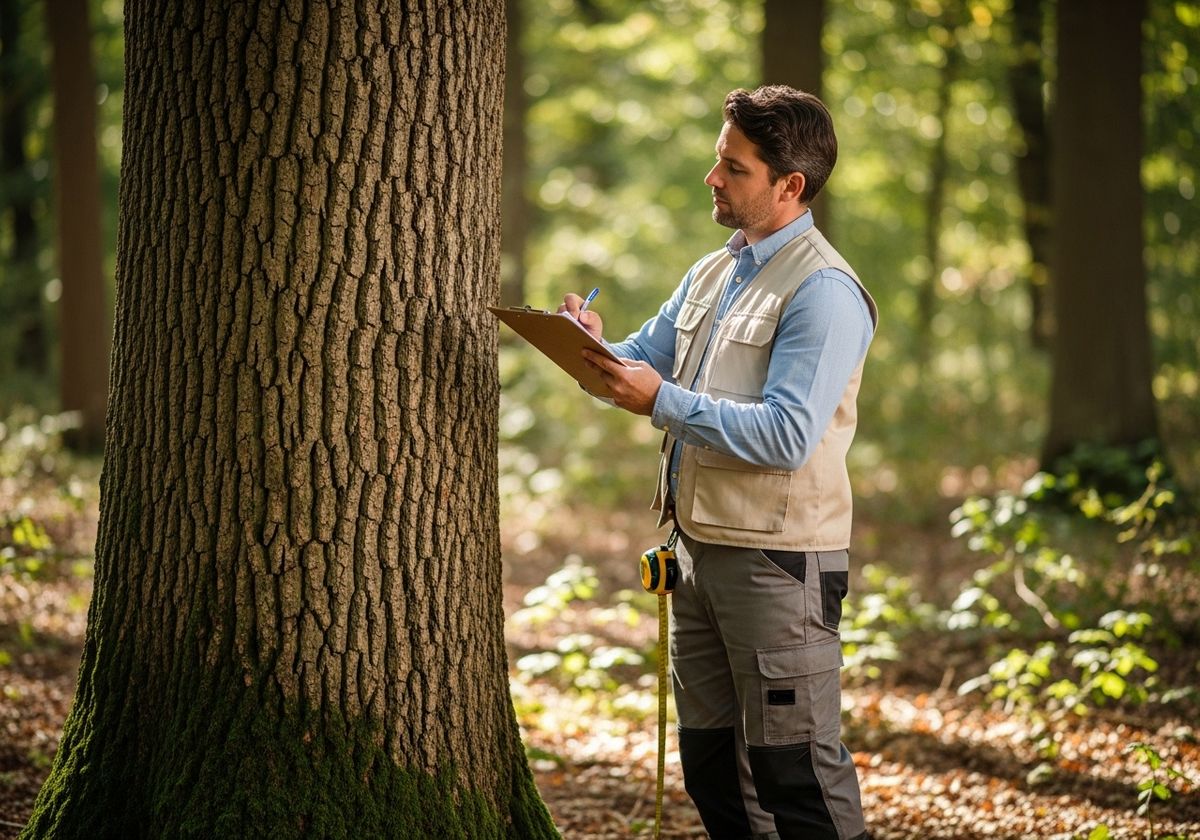
Visual Inspection
Leaves: Check for discoloration, spots, or unusual shapes. Healthy leaves should have a vibrant, consistent color. Yellowing or browning leaves may indicate nutrient deficiencies, disease, or pest infestations.
Branches: Look for dead, broken, or diseased branches. Prune these promptly to prevent the spread of disease and improve the tree's overall structure. Keep an eye out for any signs of cracking or splitting, which could indicate structural weakness.
Trunk: Inspect the trunk for wounds, cracks, or decay. Open wounds can provide entry points for pests and diseases. Also, check for signs of fungal growth or insect activity. The presence of abnormal swelling or sunken areas on the bark can also indicate underlying health issues.
Roots: Examine the base of the tree for exposed or damaged roots. Ensure that the root flare is visible and not buried too deeply in the soil. Compacted soil can suffocate roots, leading to decline.
Signs of Infestation or Disease
Pests: Look for signs of insect activity, such as webbing, boreholes, or sawdust-like material. Common tree pests include aphids, borers, and scale insects. Address infestations promptly to prevent further damage.
Fungal Growth: Check for mushrooms, conks, or other fungal growths on the trunk or branches. These can be indicators of internal decay and structural weakness. Fungal diseases can spread rapidly, so early detection is crucial.
Cankers: Inspect the bark for sunken, discolored areas known as cankers. Cankers can disrupt the flow of nutrients and water within the tree, leading to branch dieback or tree death.
Environmental Factors
Soil Conditions: Assess the soil around the tree. Poor drainage, compacted soil, or nutrient deficiencies can stress trees and make them more susceptible to pests and diseases. Consider having your soil tested to determine if amendments are needed.
Water Availability: Ensure that the tree is receiving adequate water, especially during dry periods. Insufficient water can lead to stress and decline. However, avoid overwatering, which can also harm the tree.
Sunlight: Evaluate the amount of sunlight the tree is receiving. Insufficient sunlight can weaken trees and make them more susceptible to problems. Conversely, too much direct sunlight can scorch leaves and damage bark.
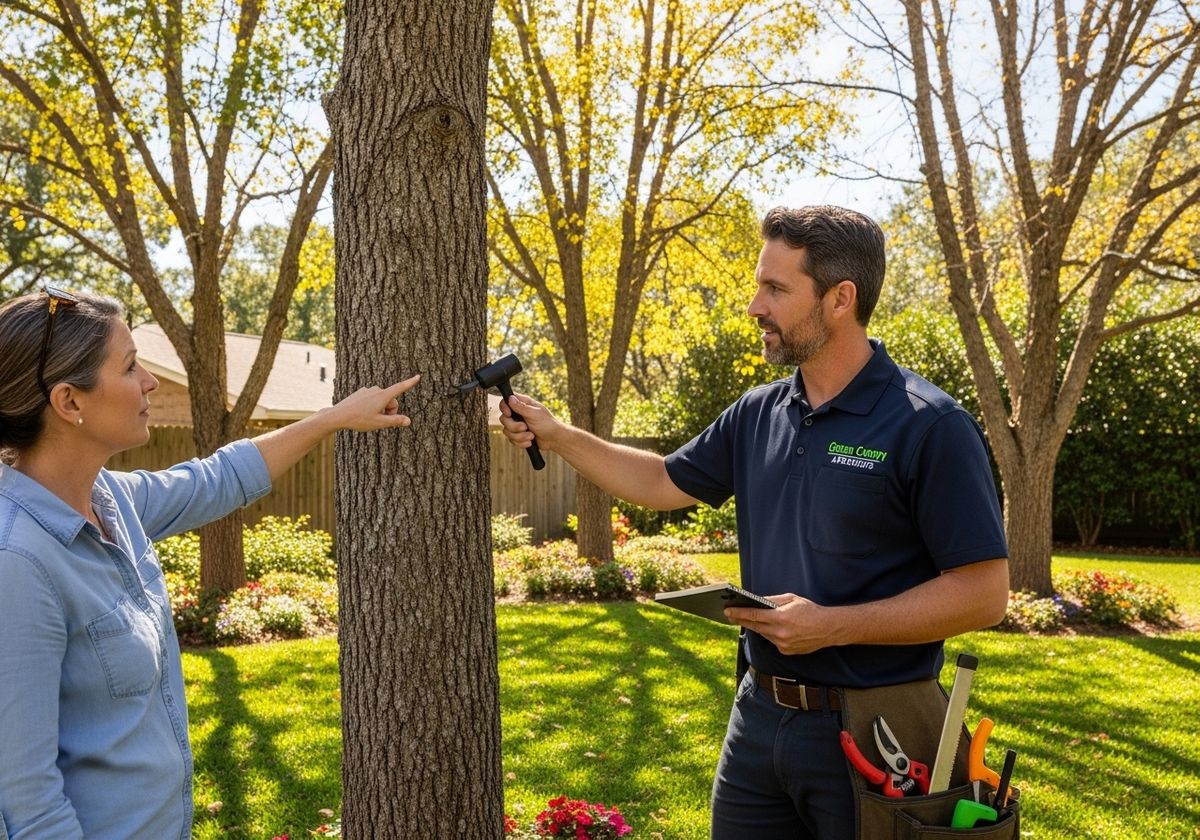
Professional Consultation
If you notice any signs of serious health issues or are unsure about how to address a particular problem, consult with a certified arborist. Arborists have the expertise to diagnose tree problems accurately and recommend appropriate treatments. Regular inspections and timely interventions are key to maintaining healthy, thriving trees.
By following this checklist, you can proactively care for your trees and address any potential issues before they escalate. Remember, A Notch Above LLC – Your professional tree service! – is here to help with all your Residential Tree Care, Tree Trimming, Tree Removal, and Stump Removal needs. We offer free quotes to help you maintain a healthy and beautiful landscape. Contact us today to schedule a consultation or to learn more about our services!